www.digitaldeathcult.com · youtube.com/@Daxxus666
I have been a metal head since 1984, when I first heard Iron Maiden’s Powerslave at the age of fifteen. Since then, I have played in bands, written music, built home studios, gathered gear like guitars and synthesizers, and eventually earned a degree in Music Composition from the Berklee College of Music.
At the same time, most of my career in computer science has been spent in strategic research and development, exploring emerging technologies, experimenting with new tools, and determining what they can genuinely make possible. I have always loved technology, especially when it creates new ways to build, communicate, and tell stories.
Digital Death Cult grew from the intersection of those two lifelong interests. It began with a question I could not resist asking: using today’s creative technologies (in 2026), could I build the kind of metal band I might have imagined when I was younger; not simply by creating songs, but by developing the band’s music, visual identity, characters, videos, world, and complete artistic presentation?
And then I wondered... what if all of it existed squarely within gamer culture?
Digital Death Cult is that ongoing experiment, and I love it!
Why I Created Digital Death Cult
Throughout my career in strategic research and development, I have spent decades evaluating emerging technologies—often years before they entered mainstream use. Artificial intelligence was no exception. Having followed its rapid evolution long before tools like ChatGPT became publicly available, I was fascinated by its potential to transform creative workflows as much as technical ones.
As both a traditionally trained composer and a lifelong technologist, I wanted to explore what could happen if these new tools were applied to something deeply personal: creating the virtual metal band I had always imagined. Rather than experimenting with isolated songs or technology demonstrations, I set out to build an entire multimedia project from the ground up, remaining the primary composer and creative director behind every artistic decision while leveraging each tool where it offered genuine value.
Digital Death Cult is the result of that ongoing exploration—a real-world experiment in combining traditional composition techniques with modern creative technologies to see what each contributes to the final work. While modern AI tools played an important role throughout the project, the overall musical direction, thematic development, motif composition, lyrical concepts, and creative decisions remained under my direct control from beginning to end.
One creative decision shaped the project from the very beginning. While many virtual bands focus primarily on performance videos or abstract imagery set to music, I wanted each album, and each accompanying music video, to tell a story. Rather than simply showing the band performing, every video was approached as a short cinematic narrative designed to visually reinforce the song itself. That decision dramatically increased both the creative scope and the technical complexity of the project, but it also transformed Digital Death Cult into something far more than a collection of songs.
What I Actually Built — and What I’m Continuing to Build
Digital Death Cult became far more than a collection of songs. As the project evolved, it grew into a complete multimedia production involving music, video, branding, character development, and a continually evolving creative workflow. Each area became an opportunity to explore a different aspect of modern creative technology while maintaining a cohesive artistic vision.
Music
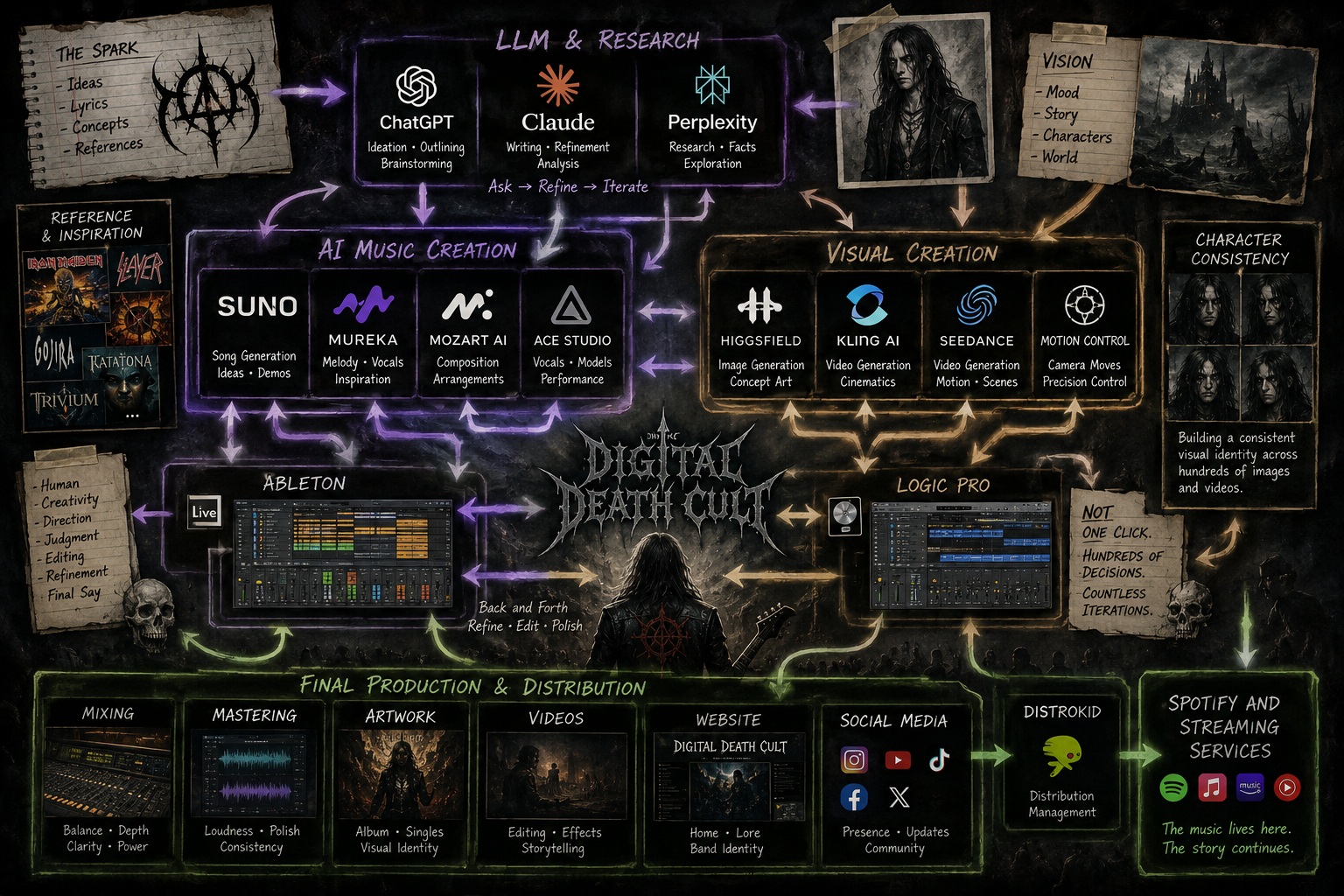
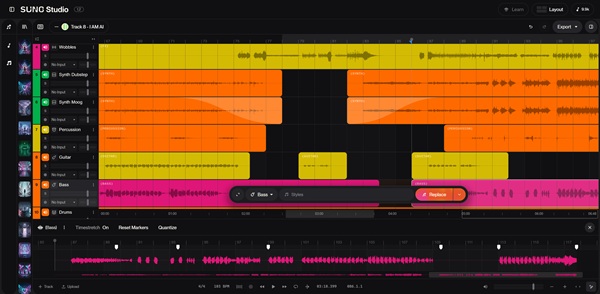
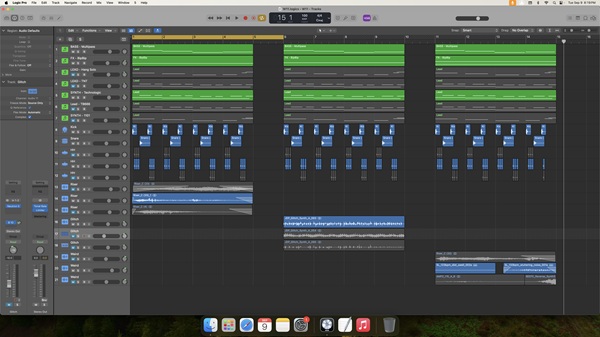
Eleven original songs formed the foundation of Digital Death Cult's debut album, but the real experiment was the creative workflow. Music moved continuously between multiple specialized tools, including AI-assisted platforms such as Suno, Mozart AI, and ACE Studio, alongside traditional composition/production tools such as Logic Pro, Ableton Live, and others, with each contributing different strengths. For example, AI allowed me to work with powerful female metal vocals that would have otherwise required finding, auditioning, and collaborating with vocalists. At the same time, moving between AI platforms and traditional DAWs gave me the freedom to compose, arrange, and refine custom synthesizer, electronic, and production elements well beyond what any single tool could provide. Rather than relying on one application, each became another instrument in the production process, all working under a unified creative direction.
Below is a simplified example of the Suno Studio ⇔ Logic Pro X workflow.
Characters
Creating persistent, recognizable characters across hundreds, and eventually thousands, of images and videos became one of the project’s most technically demanding and artistically rewarding challenges. Not long ago, maintaining this level of visual consistency across AI-generated media was extremely difficult. Today, while still requiring a carefully managed workflow, it has become remarkably achievable.
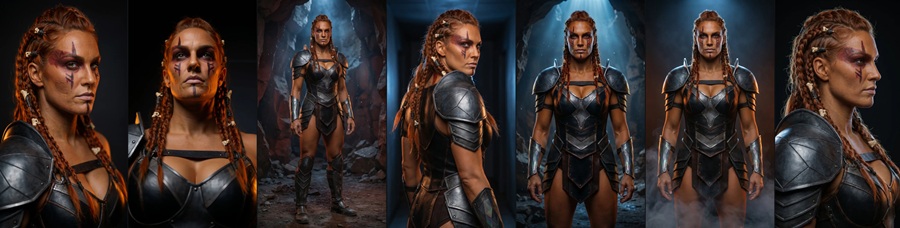
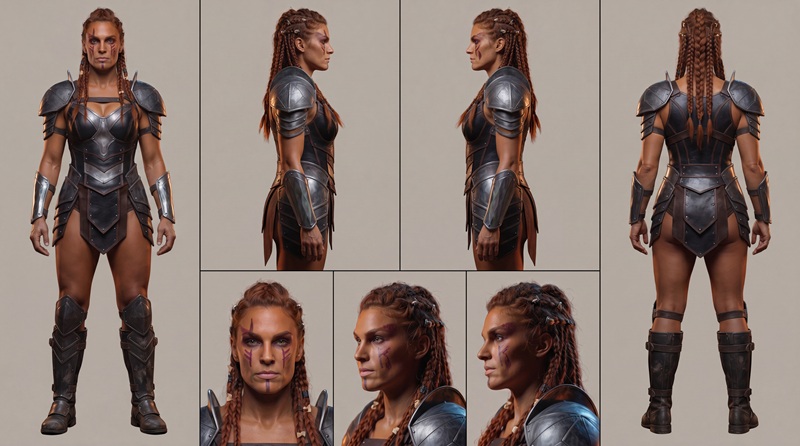
For example, Skörn began as a single generated portrait, which was then expanded into multiple viewing angles to establish a consistent facial identity. Those reference images were used to create a persistent facial model within Higgsfield’s Soul ID system, allowing the character to be referenced directly within future prompts. Once the wardrobe, proportions, and overall appearance were finalized, a full character sheet provided a complete 360-degree visual reference that could be used alongside the facial model for both image and video generation.
The result is a production pipeline capable of maintaining consistent characters across music videos, promotional artwork, websites, and future releases. Rather than treating every image as an isolated generation, each new piece builds upon an established visual identity, allowing the virtual band to evolve while remaining instantly recognizable.
Music Videos
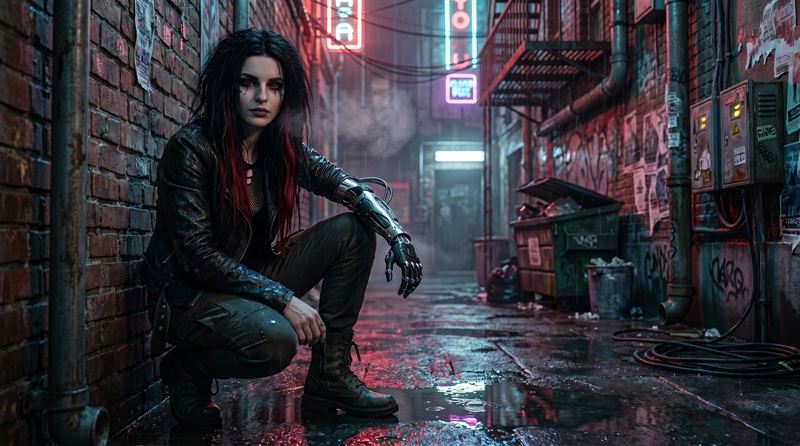
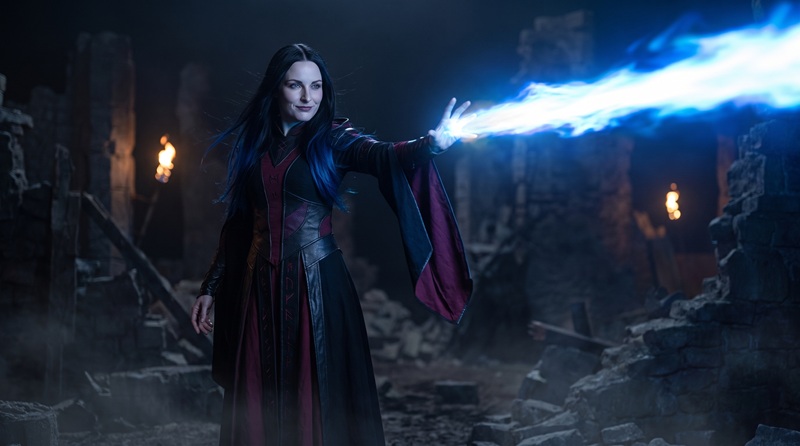
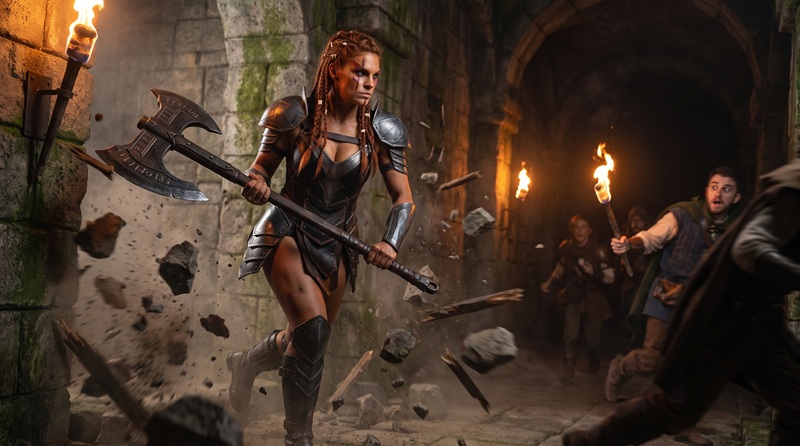
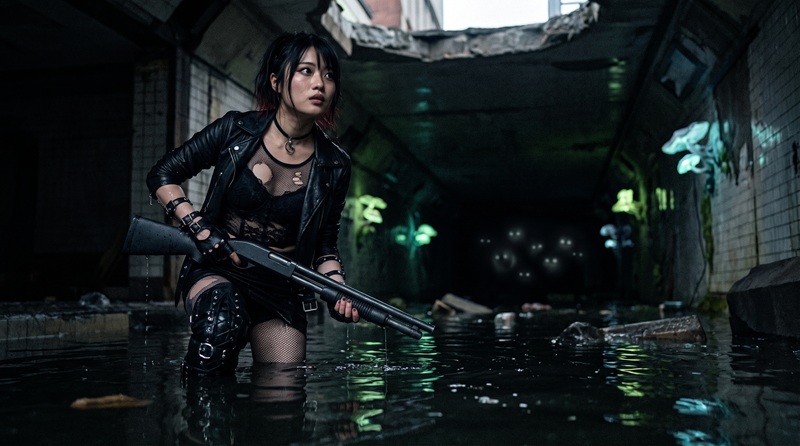
Every music video became an opportunity to explore cinematography, camera movement, editing, visual effects, and narrative storytelling using rapidly evolving AI video technologies. Rather than generating random clips, each sequence typically began with a carefully crafted starting frame, and in some cases a matching ending frame, to establish the exact visual composition before motion was introduced. This allowed me to approach each scene much like a film director, defining character actions, camera movement, environmental effects, emotional tone, and even vocal performances through detailed textual direction. Modern video generation platforms increasingly support sophisticated shot composition, enabling multiple camera setups and evolving action within a single generated clip.
The images below are examples of starting frames used to create finished video sequences with platforms such as Seedance and Kling.